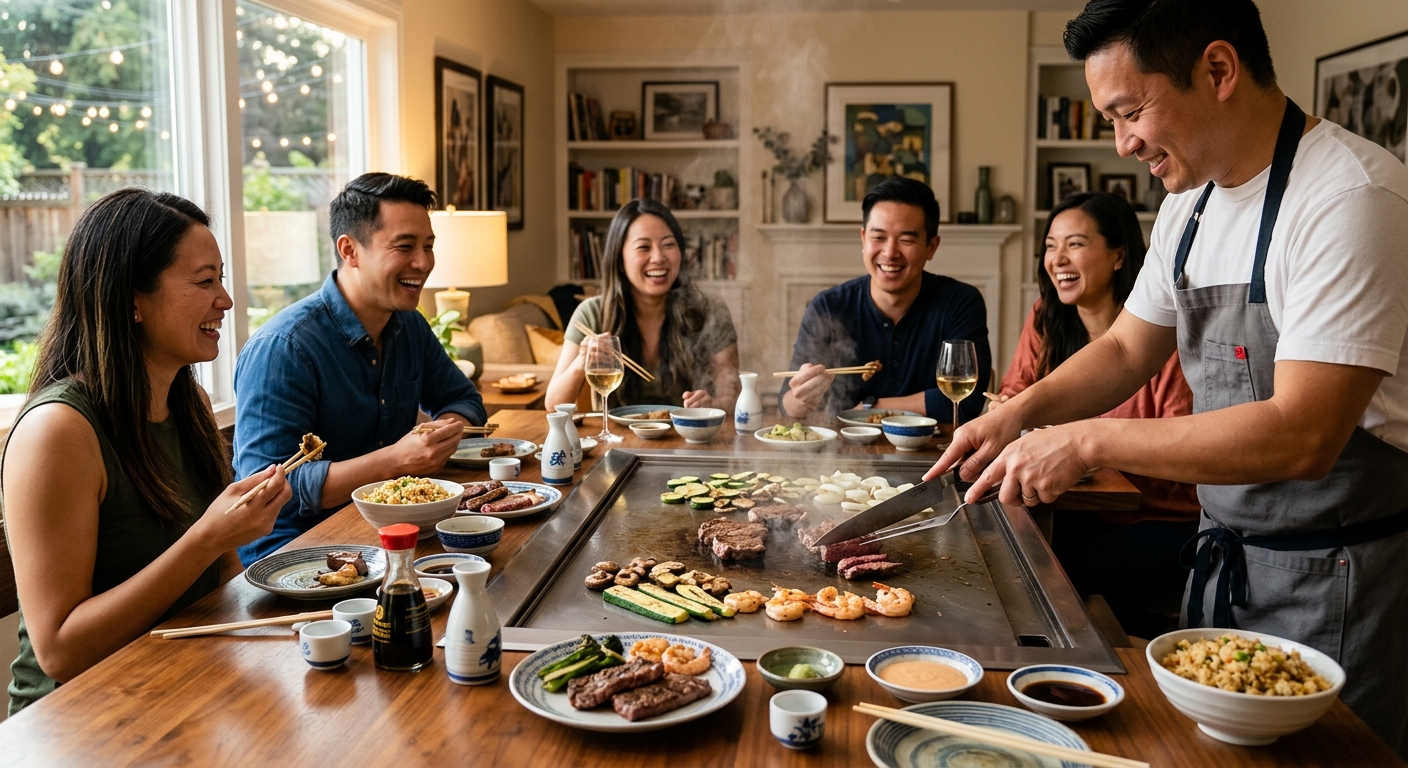
Introduction to Hosting a Japanese Steakhouse Party
Hosting an at-home Japanese steakhouse party, often referred to as a hibachi or teppanyaki night, is an incredible way to bring friends and family together. It combines the thrill of live cooking entertainment with the mouthwatering flavors of grilled meats, seafood, and fresh vegetables. By transforming your backyard or kitchen into a lively culinary stage, you can recreate the magic of your favorite Japanese steakhouse without leaving the comfort of your home.
Creating this experience requires careful planning, the right equipment, and a solid understanding of the menu. Whether you are celebrating a special occasion or simply want to try something new, this comprehensive guide will walk you through everything you need to know to execute a flawless and professional at-home Japanese steakhouse event.
Essential Equipment for Your Teppanyaki Setup
The foundation of any successful Japanese steakhouse party is the cooking surface. Traditional teppanyaki relies on a large, flat iron griddle that allows for high-heat searing and precise temperature control. If you do not have a built-in teppanyaki grill, a high-quality portable flat-top grill or a large cast-iron griddle placed over your stovetop or outdoor grill works perfectly.
Beyond the grill, you will need a specific set of tools to cook and entertain like a pro. Essential items include two large stainless steel spatulas for flipping and chopping, a squeeze bottle for cooking oil, another for soy sauce or homemade teriyaki, a sharp chef's knife, and a dome lid for steaming vegetables. For a comprehensive breakdown of everything required to set up your cooking station, check out What Do You Need for Hibachi at Home: A Complete Guide.
If you are looking to ensure you haven't missed any specialized utensils or accessories for your event, review the Hibachi Cooking Party Tool List: The Ultimate Guide for Hosts. Having the right tools not only makes the cooking process smoother but also enhances the theatrical aspect of the meal.
Curating the Perfect Menu
A traditional Japanese steakhouse menu is a multi-course affair designed to delight the palate. Start with a light and refreshing appetizer, such as a clear mushroom soup or a crisp house salad dressed with a tangy ginger dressing. These starters prepare your guests for the rich flavors to follow.
For the main course, variety is key. Offer a selection of proteins such as high-quality steak (ribeye or filet mignon), chicken breast, and seafood like shrimp or scallops. Accompany these with classic hibachi vegetables: zucchini, onions, mushrooms, and broccoli. Do not forget the iconic hibachi fried rice, cooked right on the grill with egg, garlic, butter, and soy sauce.
To provide a quick reference on protein cooking times and target internal temperatures for your steakhouse party, please review the table below.
| Protein Type | Recommended Cut/Size | Grill Temp (F) | Cooking Time (Total) | Target Internal Temp (F) |
|---|---|---|---|---|
| Steak | Filet Mignon (Bite-sized cubes) | 450 | 4-5 Minutes | 135 (Medium Rare) |
| Chicken | Boneless Breast (Bite-sized) | 400 | 6-8 Minutes | 165 |
| Shrimp | Large (Peeled & Deveined) | 400 | 3-4 Minutes | 145 (Opaque) |
The Art of Entertaining
Part of the allure of a Japanese steakhouse is the chef's performance. While you may not be able to toss shrimp into your guests' mouths or build a flaming onion volcano on your first try, you can still bring energy and flair to the cooking process. Practice the onion volcano safely by stacking rings of white onion, pouring a small amount of high-proof alcohol inside, and carefully igniting it. The clatter of spatulas, the sizzle of the grill, and engaging conversation will make the experience memorable.
If you prefer to leave the cooking to the professionals while still enjoying a phenomenal meal in the city, you might want to explore the LA Restaurant Guide for Food Lovers: A Culinary Journey to discover top-rated dining experiences.
Conclusion
Hosting an at-home Japanese steakhouse party is a rewarding endeavor that offers a unique blend of delicious food and interactive entertainment. By investing in the right equipment, planning a diverse and flavorful menu, and embracing the theatrical elements of teppanyaki cooking, you can provide your guests with an unforgettable dining experience. With preparation and practice, your backyard or dining room can rival the atmosphere of your favorite hibachi restaurant.
Frequently Asked Questions
What type of grill is best for an at-home Japanese steakhouse party?
A flat-top griddle, such as a Blackstone or a cast-iron griddle that fits over your stove or outdoor grill, is ideal. It provides the large, flat surface necessary for searing proteins, sautéing vegetables, and making fried rice simultaneously.
How can I make the signature hibachi dipping sauces?
The two classic sauces are Ginger Sauce (made from fresh ginger, onion, soy sauce, vinegar, and lemon) and Mustard Sauce (blending dry mustard, soy sauce, cream, and sesame). Both can be easily blended at home ahead of the party.
Is it safe to do the onion volcano at home?
Yes, if done with caution. Use a flat, stable cooking surface, keep flammable objects away, and use a small amount of cooking oil and a splash of high-proof liquor (like vodka) to create the flame safely. Always have a fire extinguisher nearby.
Comments
Post a Comment