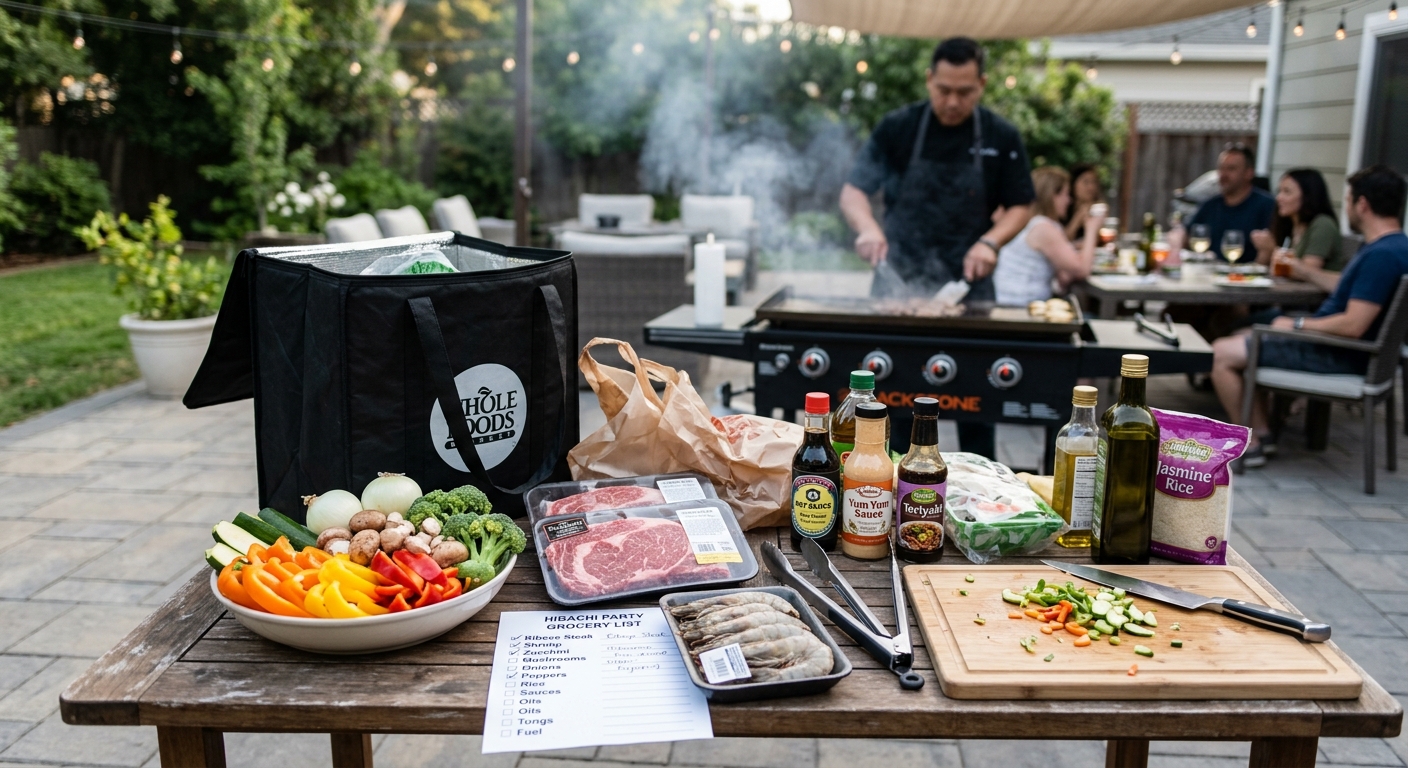
Introduction to the Ultimate Hibachi Party
Hosting a hibachi party at home has become one of the most exciting and interactive culinary trends. Bringing the Japanese steakhouse experience to your backyard allows you to entertain guests with sizzling meats, tossing vegetables, and performing impressive spatula tricks. However, the success of your event hinges heavily on your preparation and having the right ingredients. To ensure your dinner goes off without a hitch, you need the ultimate hibachi party grocery list. This comprehensive guide will walk you through everything required to host an unforgettable culinary experience.
Premium Proteins: The Star of the Show
The foundation of any authentic hibachi experience is high-quality protein. When planning your grocery list, it is essential to cater to a variety of dietary preferences and appetites. A standard rule of thumb is to calculate approximately half a pound to three-quarters of a pound of total protein per adult guest.
Beef, Poultry, and Seafood
For beef lovers, New York strip steak, ribeye, or filet mignon are the classic choices. They sear beautifully on a hot griddle and remain tender. For poultry, boneless, skinless chicken breasts or thighs are versatile and crowd-pleasing. Seafood is also a major component of the traditional hibachi menu. Large or jumbo shrimp (peeled and deveined), sea scallops, and even lobster tails add a luxurious touch to the meal. If you need a more detailed breakdown of purchasing quantities, you can check out this resource: What to Buy for a Hibachi Party: The Ultimate Shopping Guide.
Vegetarian Options
Do not forget your vegetarian or vegan guests. Extra firm tofu is an excellent choice, as it holds up well to the intense heat of the flat top grill. Make sure to press the tofu beforehand to remove excess moisture, allowing it to achieve a beautiful golden crust when cooked with a splash of soy sauce and sesame oil.
Essential Hibachi Vegetables
Vegetables bring color, crunch, and essential flavor balancing to your hibachi spread. The classic Japanese steakhouse vegetable medley is simple but delicious.
- Zucchini: Slice into bite-sized half-moons. They cook quickly and absorb the garlic butter flavors perfectly.
- Sweet Onions: A large Vidalia or sweet yellow onion is necessary not just for the vegetable mix, but also if you plan on constructing the famous flaming onion volcano.
- Mushrooms: White button or cremini mushrooms, sliced or quartered, are a staple.
- Broccoli: Fresh broccoli florets add a hearty crunch and vibrant green color.
- Carrots: Julienne or slice thinly so they cook at the same rate as the softer vegetables.
The Base: Fried Rice and Noodles
No hibachi meal is complete without a generous serving of savory fried rice and flavorful noodles. For the best fried rice, you must use day-old, chilled rice. Freshly cooked rice contains too much moisture and will turn into a mushy clump on the griddle. Long-grain white rice or jasmine rice works best. Along with the rice, pick up eggs, frozen peas and carrots, and green onions for the traditional fried rice mix.
For the noodle course, Yakisoba or Udon noodles are ideal. They are thick, chewy, and hold up well to the robust sauces used on the grill. You can often find pre-cooked or fresh stir-fry noodles in the refrigerated section of your local Asian market or major grocery store.
Flavor Makers: Sauces, Oils, and Seasonings
The secret to achieving that authentic restaurant flavor lies in the condiments. Your grocery list must include a variety of oils and sauces to bring the dishes to life.
- Cooking Oils: Safflower, canola, or vegetable oil for high-heat searing. Sesame oil for finishing and flavoring.
- Soy Sauce: The backbone of hibachi cooking. Opt for a high-quality, low-sodium variety to control the saltiness of your dishes.
- Butter and Garlic: Copious amounts of garlic butter are used in almost every phase of hibachi cooking. Buy unsalted butter and several heads of fresh garlic.
- Dipping Sauces: Yum Yum sauce (a mayonnaise-based, sweet, and tangy sauce), ginger sauce, and mustard sauce are non-negotiable. You can make these from scratch using ingredients like Japanese mayonnaise, fresh ginger, soy sauce, and rice vinegar, or purchase them pre-made.
- Seasonings: Salt, freshly cracked black pepper, sesame seeds, and perhaps a touch of MSG or chicken bouillon powder for extra umami.
Organizing Your Purchases
To help you navigate the aisles efficiently, we have compiled a quick reference table. If you want to dive deeper into the local markets that carry premium Asian ingredients, reading through local food guides can provide excellent recommendations for sourcing top-tier produce and meats.
| Category | Items Needed | Estimated Quantity (per 4 people) |
|---|---|---|
| Proteins | Steak, Chicken, Shrimp, Tofu | 2-3 lbs total |
| Vegetables | Zucchini, Onions, Mushrooms, Broccoli | 1.5 - 2 lbs total |
| Carbs | Day-old Rice, Yakisoba Noodles | 4 cups rice, 16 oz noodles |
| Sauces/Oils | Soy Sauce, Sesame Oil, Yum Yum Sauce, Butter | 1 bottle each, 2 sticks butter |
| Aromatics | Garlic, Ginger, Green Onions, Eggs | 2 heads garlic, 1 root ginger, 1 bunch green onions, 4 eggs |
Setting Up Your Hibachi Station
While food is the main focus of your grocery trip, you must also consider the non-edible items required for a successful party. Squeeze bottles are critical for oil, water, soy sauce, and cooking wine. You will also need heavy-duty spatulas, a grill scraper, and plenty of paper towels. Having everything prepped, chopped, and organized in bowls before you even turn on the grill is the key to a stress-free performance. For a complete guide on how to arrange your tools and prepare your space, check out The Ultimate At-Home Hibachi Party Checklist for a Flawless Event.
Conclusion
Hosting a hibachi party is a spectacular way to entertain friends and family, combining dinner and a show into one seamless backyard event. By following this ultimate hibachi party grocery list, you will have all the fresh proteins, crisp vegetables, savory sauces, and essential tools required to recreate the magic of a Japanese steakhouse at home. Remember that preparation is everything. Take the time to shop for high-quality ingredients, prep your items in advance, and most importantly, have fun with the cooking process. Your guests are sure to leave with full stomachs and wonderful memories.
Frequently Asked Questions
What type of oil is best for cooking hibachi at home?
For the actual cooking on a hot flat top grill, you should use an oil with a high smoke point, such as canola oil, vegetable oil, safflower oil, or avocado oil. Sesame oil should only be used in small amounts at the end of the cooking process for flavor, as it burns easily.
Why must I use day-old rice for hibachi fried rice?
Freshly cooked rice has a high moisture content, which causes it to steam and become mushy when added to a hot griddle. Day-old rice that has been stored in the refrigerator has had time to dry out, allowing the grains to separate and fry properly, giving you that authentic, slightly chewy restaurant texture.
How can I make the famous hibachi garlic butter?
Hibachi garlic butter is remarkably simple to make. Soften unsalted butter and whip it with minced fresh garlic, a splash of soy sauce, and sometimes a pinch of chicken bouillon powder for extra flavor. Keep it at room temperature during your party so you can easily dollop it onto steaks, vegetables, and noodles.
Comments
Post a Comment