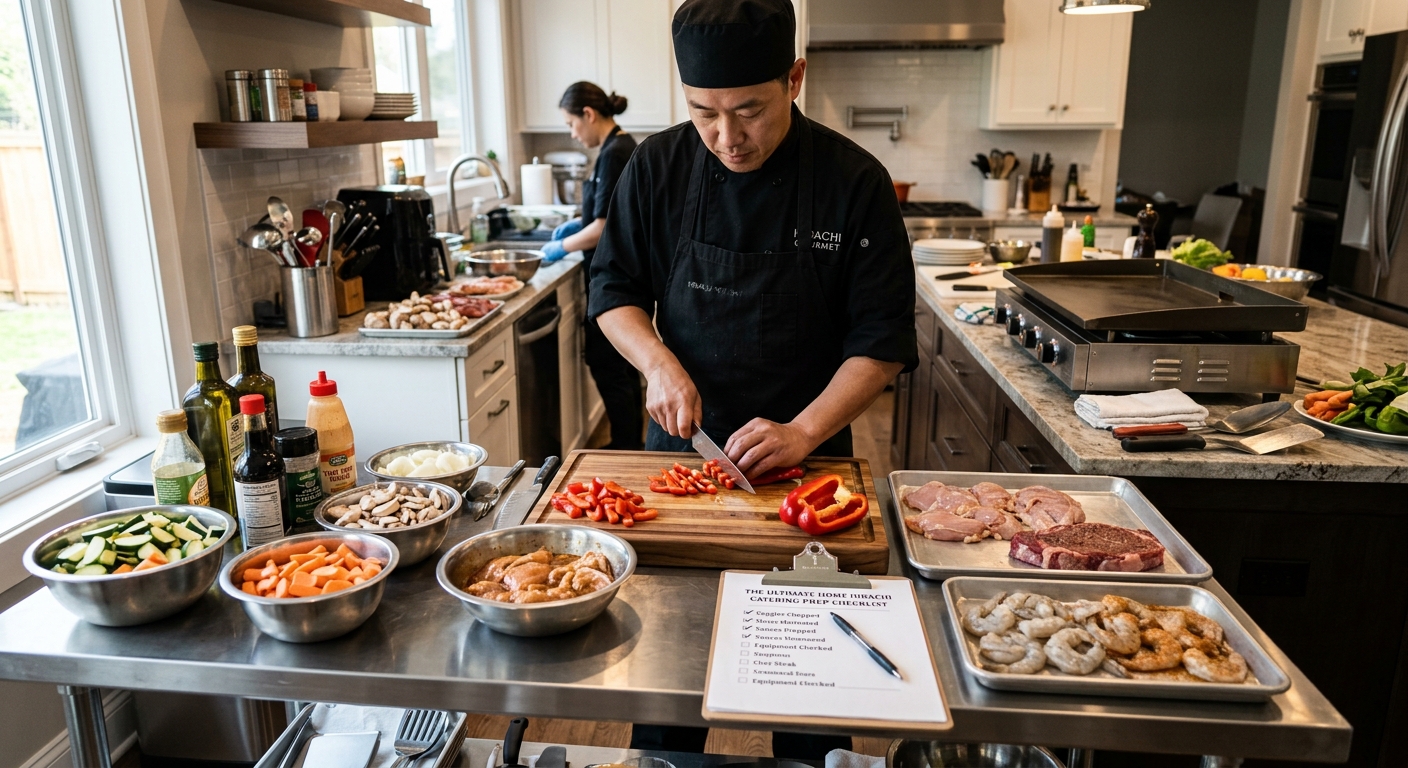
Introduction to Home Hibachi Catering
Hosting a private hibachi party in your backyard has become one of the most sought-after culinary experiences for private events. Combining the thrill of live entertainment with the luxury of customized, high-quality dining, home hibachi catering brings the classic Japanese steakhouse experience directly to your patio. However, executing this kind of specialized event requires meticulous preparation. To ensure that your guests are mesmerized by the onion volcano rather than distracted by logistical hiccups, every host needs a comprehensive home hibachi catering prep checklist.
From securing the right professional chef to preparing your outdoor space, there are numerous details to manage. This guide will walk you through the entire process, ensuring that your culinary event rivals the finest dining establishments in the country.
Phase One: The Early Planning Stages
Preparation begins several weeks before the actual event. The early planning phase revolves around securing your date, finalizing your guest list, and understanding the core requirements of your chosen catering service.
Finalize the Guest List and Dietary Restrictions
Unlike standard buffet catering, hibachi involves cooking specific portions directly in front of guests. It is crucial to have an exact headcount at least two weeks in advance. During this time, reach out to your guests to confirm any food allergies, dietary restrictions, or preferences (such as vegan, vegetarian, or gluten-free). Professional hibachi chefs can accommodate these requests by cooking vegetarian dishes first or using separate griddles, but they must know well in advance.
Book Your Catering Professional
As this dining style gains popularity, top-tier chefs book up months in advance. When interviewing potential catering companies, inquire about their setup needs, travel fees, and what exactly is included in their packages. If you need a comprehensive overview of the planning timeline, you should consult How to Plan a Backyard Hibachi Party: The Complete Guide to ensure no detail is overlooked during your initial preparations.
Phase Two: Setting the Stage and Equipment
The success of a home hibachi party heavily depends on the physical environment. A professional chef requires a safe, flat, and adequately ventilated space to perform their culinary show.
Assess Your Backyard Space
Your outdoor area must accommodate the chef's grill, a prep table, and the surrounding guest seating. Most professional setups require a minimum of a 10 by 10-foot flat surface, preferably concrete, pavers, or a sturdy wooden deck. If the setup is on a lawn, discuss protective measures with your caterer to prevent damage from grease splatters or dropped food.
Gathering the Necessary Supplies
While premium caterers provide the grill, cooking utensils, and raw ingredients, the host is typically responsible for dining tables, chairs, plates, silverware, and glassware. Creating an authentic atmosphere also involves ambient lighting and appropriate table settings. For a detailed breakdown of everything you might need to source or rent, review The Ultimate Backyard Teppanyaki Party Equipment List.
Phase Three: Curating the Menu and Beverages
While the chef will handle the main proteins, rice, and vegetables, the host still plays a vital role in shaping the overall dining experience.
Select Your Proteins
Most catering packages allow you to select two to three proteins per guest. Classic options include filet mignon, chicken, shrimp, and scallops. For luxury events, consider upgrading to lobster tail, wagyu beef, or premium salmon. Make sure to finalize these selections at least a week before the event so the chef can source the freshest ingredients available.
Prepare Appetizers and Drinks
Since the hibachi show is a paced experience, guests will appreciate having something to nibble on and drink before the main event begins. Edamame, gyoza, or a light Asian salad make excellent starters. For beverages, consider serving sake, Japanese beers, or a signature themed cocktail. If you draw inspiration from local culinary trends, you might notice that the Los Angeles food scene heavily influences modern fusion appetizers, which can be a fantastic addition to your pre-show menu.
Phase Four: The Day-Of Prep Checklist
The day of your event should be focused on execution and creating a welcoming atmosphere for your guests. Use this checklist to stay on track:
- Morning: Clean the outdoor dining area, sweep the patio, and wipe down all tables and chairs.
- Afternoon: Set the tables with plates, chopsticks, silverware, and napkins. Set up a designated beverage station away from the cooking area.
- Two Hours Before: Prepare your appetizers and ensure all beverages are chilled. Check the outdoor lighting to ensure the dining area will be well-lit as the sun goes down.
- One Hour Before: Greet the catering team. Direct them to the designated cooking space and show them where they can access water and dispose of trash.
- Thirty Minutes Before: Set out the appetizers and put on your curated background music.
By comparing different approaches to hosting a backyard teppanyaki event, you can better understand why hiring a professional caterer is often preferred over attempting a DIY approach.
The table below highlights the differences between hiring a private hibachi chef versus a DIY grilling approach.
| Hosting Method | Estimated Cost Per Head | Required Host Equipment | Host Effort Level |
|---|---|---|---|
| Private Chef Catering | $50 - $120 | Dining tables, chairs, plates | Low |
| DIY Home Hibachi | $25 - $45 | Flat-top grill, specialized tools, ingredients | High |
Conclusion
Hosting a home hibachi catering event is a brilliant way to celebrate birthdays, anniversaries, or simply enjoy a memorable evening with friends and family. By following this comprehensive prep checklist, you ensure that every logistical hurdle is cleared well before the first egg is tossed or the sake is poured. Proper planning allows you to step back, relax, and fully immerse yourself in the culinary entertainment alongside your guests. From selecting the finest proteins to setting the perfect backyard stage, your attention to detail will undoubtedly result in a flawless and unforgettable dining experience.
Frequently Asked Questions
How much space does a home hibachi chef need?
Generally, a professional hibachi chef requires a flat, open space of at least 10x10 feet to safely set up their grill and prep station, keeping a safe distance from guest seating.
Do I need to provide the plates and silverware?
Yes, in most cases, the host is responsible for providing the dining tables, chairs, plates, chopsticks, silverware, and glassware. The caterer typically only provides the grill, cooking tools, and the food itself.
Can a home hibachi chef accommodate food allergies?
Absolutely. Professional chefs are trained to handle food allergies and dietary restrictions. However, you must inform them during the planning phase so they can prepare separate tools, use distinct cooking zones, or sequence the cooking to avoid cross-contamination.
Comments
Post a Comment