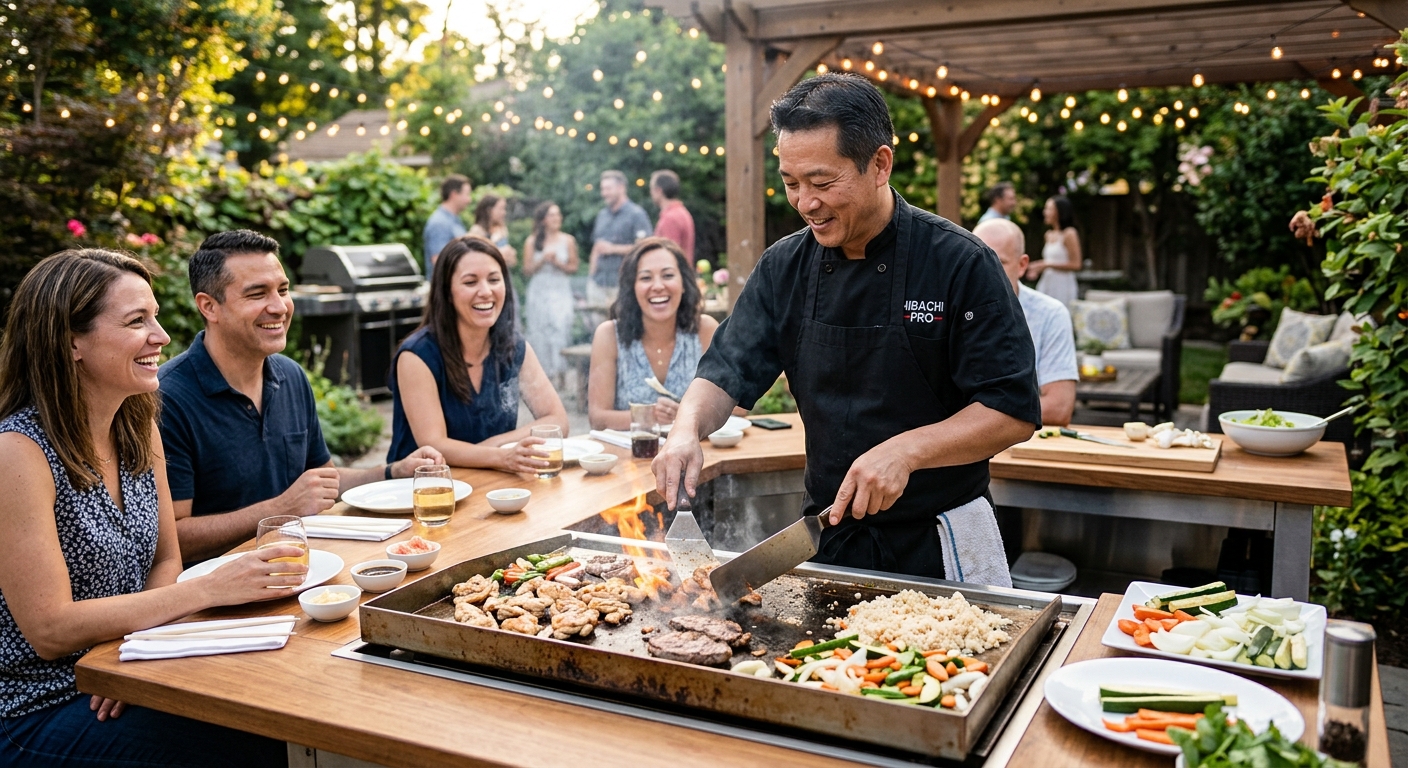
Hosting a backyard gathering is a wonderful way to bring friends and family together, but if you want to elevate the experience, nothing compares to a hibachi-style event. The sizzle of the grill, the tantalizing aromas, and the interactive nature of the cooking process create a memorable evening for all involved. This ultimate backyard hibachi party guide will walk you through every step necessary to plan, prepare, and execute a flawless event right in your own outdoor space.
Planning Your Hibachi Event
Every successful event begins with meticulous planning. From selecting a date to organizing your guest list, preparation is key to ensuring a smooth and enjoyable gathering. When planning your event, it is crucial to start with a solid foundation. For those new to this style of entertaining, reviewing The Ultimate Hibachi Party Checklist for Beginners: Host Like a Pro will provide you with the essential steps to keep your preparations organized and stress-free.
Consider the logistics of your backyard. You will need ample space for the grill, comfortable seating for your guests, and a dedicated area for food preparation. Ensure your outdoor lighting is sufficient for evening cooking and dining. By mapping out your space in advance, you can avoid last-minute confusion and create a welcoming atmosphere for your attendees.
Choosing the Right Grill Setup
The centerpiece of any hibachi party is, of course, the grill. Traditional hibachi grills use charcoal, but modern flat-top griddles (often referred to as teppanyaki grills) are incredibly popular for backyard parties due to their versatility and ease of use. Below is a comparison of common grill types to help you decide which setup is best for your specific backyard event.
The following table compares three popular types of outdoor grills used for hibachi parties, evaluating their heat source, setup difficulty, and flavor profile.
| Grill Type | Heat Source | Setup Difficulty | Flavor Profile |
|---|---|---|---|
| Traditional Hibachi | Charcoal | Moderate | Smoky and authentic |
| Flat-Top Griddle | Propane Gas | Easy | Clean and consistent |
| Electric Teppanyaki | Electricity | Very Easy | Mild and neutral |
Whichever grill you choose, mastering temperature control is essential. High heat is required to achieve that signature sear on meats and vegetables, while a cooler zone is beneficial for keeping cooked food warm without overcooking it.
Setting the Scene
Creating an authentic and engaging atmosphere is just as important as the food itself. Your backyard should feel like a private, exclusive dining establishment. For a deep dive into arranging your space, lighting, and decor, consult The Ultimate Outdoor Hibachi Party Setup Guide. This resource offers fantastic insights into transforming a standard patio into a high-end dining oasis.
Incorporate elements such as paper lanterns, elegant tableware, and comfortable outdoor seating. A well-set table with chopsticks, small dipping bowls, and quality napkins adds a touch of authenticity. Music also plays a vital role in setting the mood; curate a playlist that is upbeat yet unobtrusive, allowing your guests to converse comfortably while enjoying the culinary show.
Crafting the Perfect Menu
The menu is where your hibachi party truly shines. A classic hibachi spread includes a balance of proteins, vibrant vegetables, and flavorful carbohydrates like fried rice or noodles. Start with appetizers such as edamame, gyoza, or a crisp ginger-dressed salad. For the main event, offer a variety of proteins to accommodate different dietary preferences. Popular choices include steak, chicken, shrimp, and tofu.
Vegetables are equally important. Zucchini, onions, mushrooms, and broccoli not only add color to the plate but also cook beautifully on a hot griddle. To truly capture the essence of restaurant-quality meals, you might want to look at local food events to see how professional chefs source and prepare their seasonal ingredients.
Do not forget the signature dipping sauces. Yum Yum sauce, ginger sauce, and mustard sauce are staples that will instantly elevate the flavor of your grilled items. Preparing these sauces a day in advance allows the flavors to meld beautifully, saving you time on the day of the party.
The Art of Entertaining
What sets a hibachi party apart from a standard barbecue is the entertainment factor. If you are acting as the chef, practice a few simple tricks to delight your guests. The classic onion volcano, tossing shrimp tails into your hat, or creating a beating heart out of fried rice can bring smiles and laughter to the table.
If you prefer to mingle with your guests rather than cook, consider hiring a professional private hibachi chef. Many catering services specialize in backyard events, bringing all the equipment, food, and showmanship directly to your home. This allows you to relax and enjoy the evening while a skilled professional handles the culinary entertainment.
Conclusion
Hosting the ultimate backyard hibachi party requires thoughtful planning, the right equipment, and a passion for entertaining. By focusing on your grill setup, curating a delicious menu, and creating a vibrant atmosphere, you can provide an unforgettable dining experience for your friends and family. Whether you choose to don the chef's hat yourself or hire a professional, the interactive and engaging nature of a hibachi party ensures a night filled with great food and joyful memories.
Frequently Asked Questions
What is the best type of grill for a backyard hibachi party?
A propane-powered flat-top griddle is generally the most practical choice for beginners. It offers excellent temperature control, a large cooking surface area, and is much easier to clean and manage than a traditional charcoal grill.
How far in advance should I start preparing the food?
You can prepare sauces, chop vegetables, and marinate meats up to 24 hours in advance. Having all your ingredients prepped and organized (mise en place) before your guests arrive is crucial for a smooth and stress-free cooking process.
What are the essential dipping sauces for hibachi?
The three most popular dipping sauces are Yum Yum sauce (a mayonnaise-based sweet and tangy sauce), ginger sauce (savory and slightly acidic, perfect for vegetables and seafood), and mustard sauce (often paired with steak or chicken).
Comments
Post a Comment