Introduction to the Authentic Hibachi Experience
Hosting a hibachi party brings the excitement, flavor, and interactive dining experience of a traditional Japanese steakhouse directly into your own backyard or dining room. The secret to a successful event lies not only in the quality of the food and the skill of the chef but also in the proper setup of the environment. Whether you are hosting an intimate gathering or a large celebration, knowing how to set up a hibachi table is crucial. To ensure you have everything you need, you should review The Ultimate Hibachi Grill Party Accessories List to guarantee a seamless and entertaining culinary event.
Choosing the Right Space and Equipment
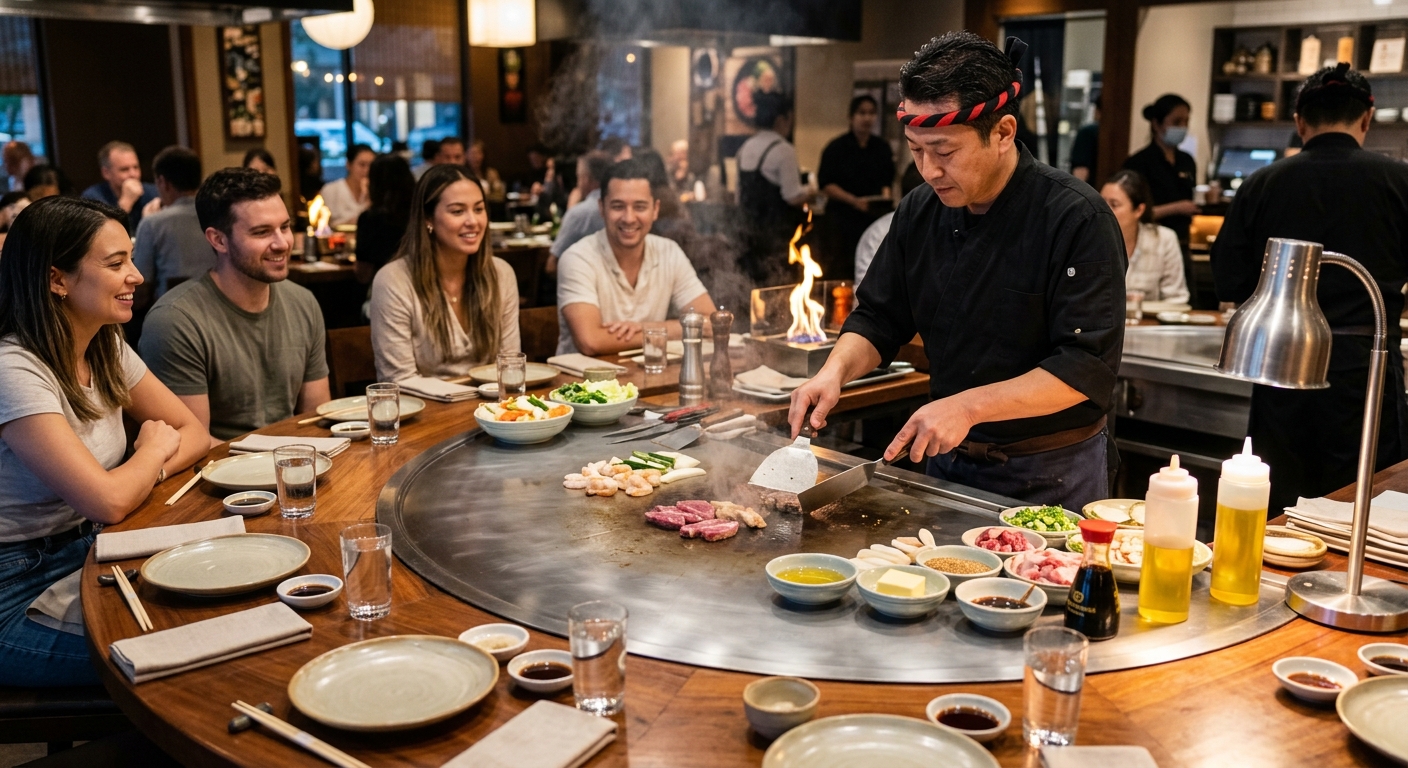
The foundation of a great hibachi setup begins with spatial planning. A professional hibachi grill (teppanyaki) requires adequate ventilation, safety clearances, and comfortable seating for your guests. If you are setting up outdoors, ensure that the ground is level and that there are no overhanging structures that could pose a fire hazard. The grill itself should be the focal point of the dining area, allowing all guests a clear view of the chef's culinary acrobatics.
When selecting a table, consider the traditional U-shape or a large rectangular setup that wraps around the cooking surface. This allows the chef to easily interact with the guests while serving freshly cooked portions directly to their plates. Investing in a high-quality, flat-top griddle is essential for achieving that authentic sear on meats and vegetables.
Table Settings and Decor
The aesthetics of your hibachi table contribute significantly to the overall dining experience. A minimalist, elegant approach often works best, paying homage to traditional Japanese design. Start with a clean, dark-colored table runner or place mats that contrast nicely with white square or rectangular dinnerware. Each place setting should include a plate, a small bowl for rice or soup, a set of quality chopsticks, a chopstick rest, and two small dipping bowls for the essential ginger and mustard sauces.
For beverages, provide sake cups and traditional Japanese tea mugs, alongside standard water glasses. Keep the centerpieces minimal—perhaps a small, low arrangement of bamboo or orchids—so as not to obstruct the view of the grill. To fully understand the nuances of this type of event, consider reading about Planning a Japanese Steakhouse Party at Home: A Professional Guide. Proper lighting, such as warm, dimmable overhead lights or paper lanterns, can enhance the ambiance immensely.
Essential Ingredients and Prep Stations
A professional hibachi setup requires impeccable organization, often referred to as mise en place. The chef needs immediate access to all ingredients, seasonings, and tools. Set up a side cart or a designated area on the chef's side of the table to hold pre-chopped vegetables, proteins (chicken, steak, shrimp, and tofu), cooked rice, eggs, and an array of squeeze bottles containing soy sauce, teriyaki sauce, cooking oil, and sake for dramatic flair.
Tools are just as important as the ingredients. The chef will need two large, heavy-duty spatulas, a sharp chef's knife, a grill scraper, and a domed lid for steaming vegetables. Keeping these items organized not only makes the cooking process smoother but also adds to the professional appearance of the setup.
Comparing different types of residential hibachi grills can help you choose the right equipment for your space and budget.
| Grill Type | Heat Source | Portability | Ideal Location |
|---|---|---|---|
| Electric Teppanyaki Griddle | Electric (120V) | High | Indoor/Outdoor Tabletop |
| Propane Flat Top Grill | Liquid Propane | Medium | Outdoor Patio |
| Built-in Teppanyaki Grill | Natural Gas / Electric | Low (Permanent) | Custom Outdoor Kitchen |
Safety Considerations
Safety must be a top priority when operating a hot griddle in close proximity to guests. Ensure that the seating arrangement leaves enough distance between the guests' plates and the hot surface. Always have a fire extinguisher nearby, especially if you plan on performing the classic onion volcano or using alcohol for flare-ups. If you are exploring the local culinary scene, you will notice that professional establishments adhere to strict safety protocols, which you should emulate at home.
Conclusion
Setting up a hibachi table requires thoughtful planning, from selecting the right equipment and organizing the mise en place to creating a visually appealing and safe dining environment. By paying attention to these details, you can transform a standard dinner into an unforgettable interactive culinary performance. With the right tools, fresh ingredients, and a touch of showmanship, your home hibachi setup will impress your guests and provide a truly authentic dining experience.
Frequently Asked Questions (FAQ)
What kind of grill is best for home hibachi?
A flat-top griddle, often referred to as a teppanyaki grill, is ideal. For outdoor use, a propane-powered flat-top grill offers the high heat necessary for authentic cooking, while high-quality electric griddles work well for indoor tabletop setups.
How do I make the classic hibachi dipping sauces?
The two classic sauces are ginger sauce and mustard sauce. Ginger sauce typically blends fresh ginger, onion, soy sauce, lemon juice, and vinegar. Mustard sauce combines dry mustard, hot water, soy sauce, heavy cream, and toasted sesame seeds.
Is it safe to do the onion volcano at home?
Yes, but it must be done with caution. Use a small amount of high-proof clear alcohol (like vodka) and a long lighter. Ensure there is nothing flammable above the grill, and never lean over the onion when igniting it.
What oil is best for hibachi cooking?
Safflower oil, canola oil, or vegetable oil are excellent choices because they have high smoke points and neutral flavors, allowing the taste of the food and seasonings to stand out without burning.
Comments
Post a Comment