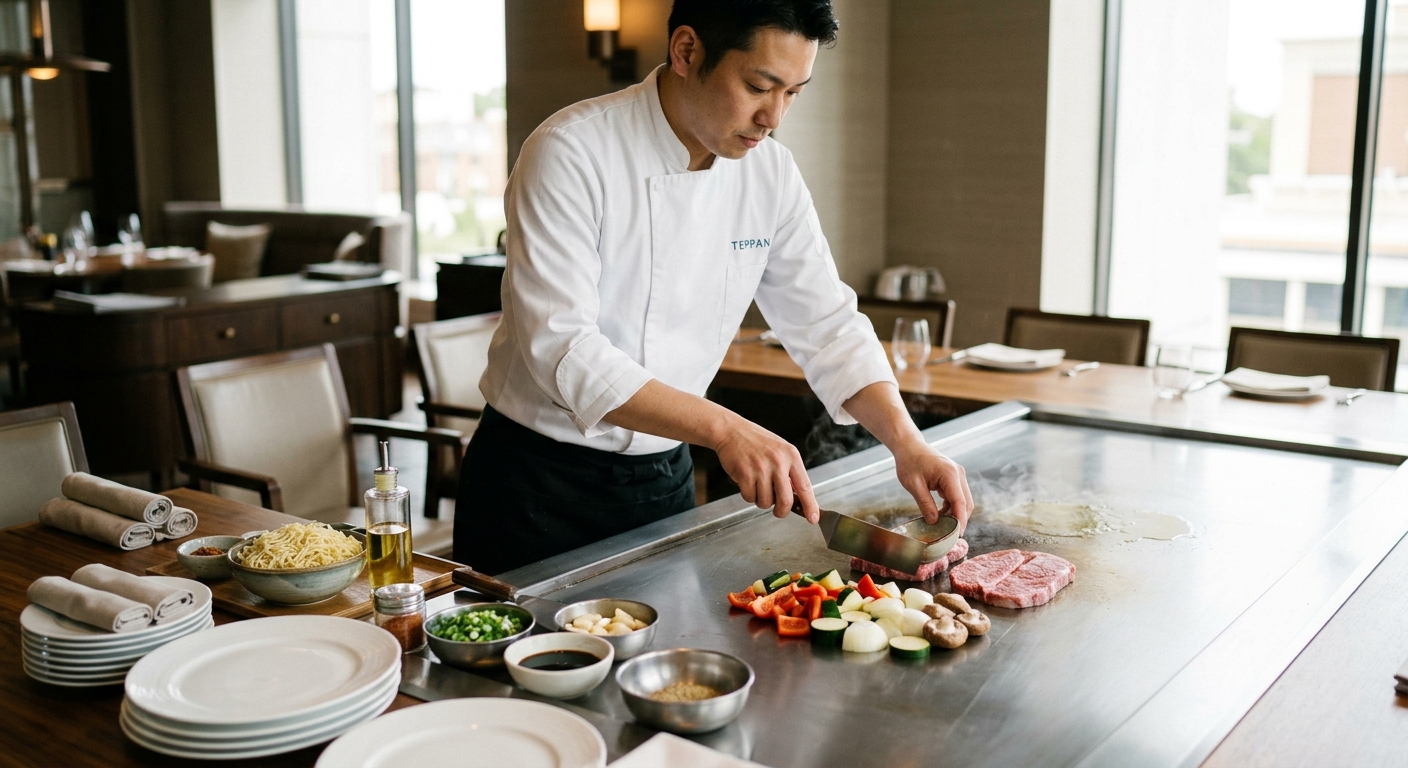
Introduction to Teppanyaki Parties at Home
Hosting a teppanyaki party is an excellent way to combine delicious food with interactive entertainment. Unlike traditional dinner parties where the host is often stuck in the kitchen, a teppanyaki gathering centers around a flat-iron grill where cooking becomes part of the show. Whether you are celebrating a special occasion or simply gathering friends for a unique weekend dinner, mastering the simple teppanyaki party preparation steps will ensure your event is stress-free and highly enjoyable.
Preparing for such an event requires attention to detail, from selecting the right equipment to curating a mouth-watering menu. As you embark on this culinary adventure, remember that organization is key to a flawless execution.
Step 1: Securing the Right Equipment
The foundation of any successful teppanyaki party is the grill itself. You can choose between an electric indoor teppanyaki grill or a larger outdoor gas griddle. If you plan to host the event outdoors, ensuring you have the right setup is crucial. For a comprehensive guide on preparing your outdoor space, review The Ultimate Outdoor Hibachi Party Setup Checklist. This resource will help you arrange seating, lighting, and safety measures effectively.
In addition to the grill, you will need essential tools such as long-handled spatulas, a scraper, squeeze bottles for oil and sauces, and sharp knives. Having these items within arm's reach will allow you to cook efficiently and safely.
Step 2: Planning the Menu
A classic teppanyaki menu includes a variety of proteins, vegetables, and starches. Popular choices include thinly sliced steak, chicken, shrimp, and scallops. For vegetables, consider zucchini, onions, mushrooms, and bell peppers. Fried rice and yakisoba noodles are staple starches that complete the meal.
To elevate your party, you might want to offer complementary appetizers. Incorporating fresh sushi can provide a sophisticated touch before the main grilling event begins. If you are located in Southern California and want a seamless experience, you might consider Mobile Sushi Catering for Your Los Angeles Backyard Party to impress your guests with professional-grade starters.
Step 3: Ingredient Preparation
Teppanyaki cooking is fast-paced, meaning all ingredients must be prepped before the grill is turned on. This process, known as mise en place, is critical. Slice all meats uniformly to ensure even cooking. Vegetables should be chopped into bite-sized pieces. Prepare your dipping sauces—such as mustard sauce and ginger sauce—in advance and store them in the refrigerator until serving time.
If you want to take your hosting skills to the next level and learn how to entertain like a pro, reading about Hosting the Ultimate Hibachi Chef Party at Home: A Professional Guide can provide valuable insights into the performative aspects of teppanyaki.
Step 4: Setting the Scene
The ambiance of your party is just as important as the food. Arrange seating in a U-shape or a semi-circle around the grill so all guests have a clear view of the cooking action. Provide each guest with a plate, chopsticks, a fork, and small bowls for dipping sauces. Background music, comfortable seating, and adequate lighting will enhance the dining experience.
Below is a quick comparison of common teppanyaki protein choices to help you plan your grocery list efficiently:
| Protein Type | Recommended Cut / Prep | Grill Time (Approx.) | Ideal Sauce Pairing |
|---|---|---|---|
| Beef | Thinly sliced Ribeye or Sirloin | 2-3 minutes | Mustard or Teriyaki |
| Chicken | Bite-sized Chicken Breast | 5-7 minutes | Ginger or Yum Yum |
| Seafood | Jumbo Shrimp (peeled) | 3-4 minutes | Ginger or Lemon Soy |
Conclusion
Hosting a teppanyaki party is a delightful way to bring people together over fantastic food and engaging entertainment. By following these simple teppanyaki party preparation steps—gathering the right equipment, planning a balanced menu, prepping ingredients in advance, and setting a welcoming scene—you can host an unforgettable gathering. With a little organization and creativity, your home will transform into the hottest dining spot in town.
Frequently Asked Questions
What is the difference between teppanyaki and hibachi?
Teppanyaki refers to cooking on a flat, solid iron griddle, which allows for cooking small ingredients like rice and noodles. Hibachi typically involves cooking over an open grate with charcoal. However, in North America, the terms are often used interchangeably to describe interactive grill dining.
What kind of oil should I use for a teppanyaki grill?
It is best to use an oil with a high smoke point, such as vegetable, canola, safflower, or soybean oil. Avoid using extra virgin olive oil or butter for the initial cooking, as they will burn quickly at high temperatures. Butter can be added at the end for flavor.
How do I clean my teppanyaki grill after the party?
While the grill is still warm, use a scraper to remove food residue. Pour a small amount of water or club soda onto the surface to loosen stubborn bits, then wipe it down with a thick cloth or paper towels. Finally, apply a thin coat of cooking oil to protect the surface from rust.
Comments
Post a Comment