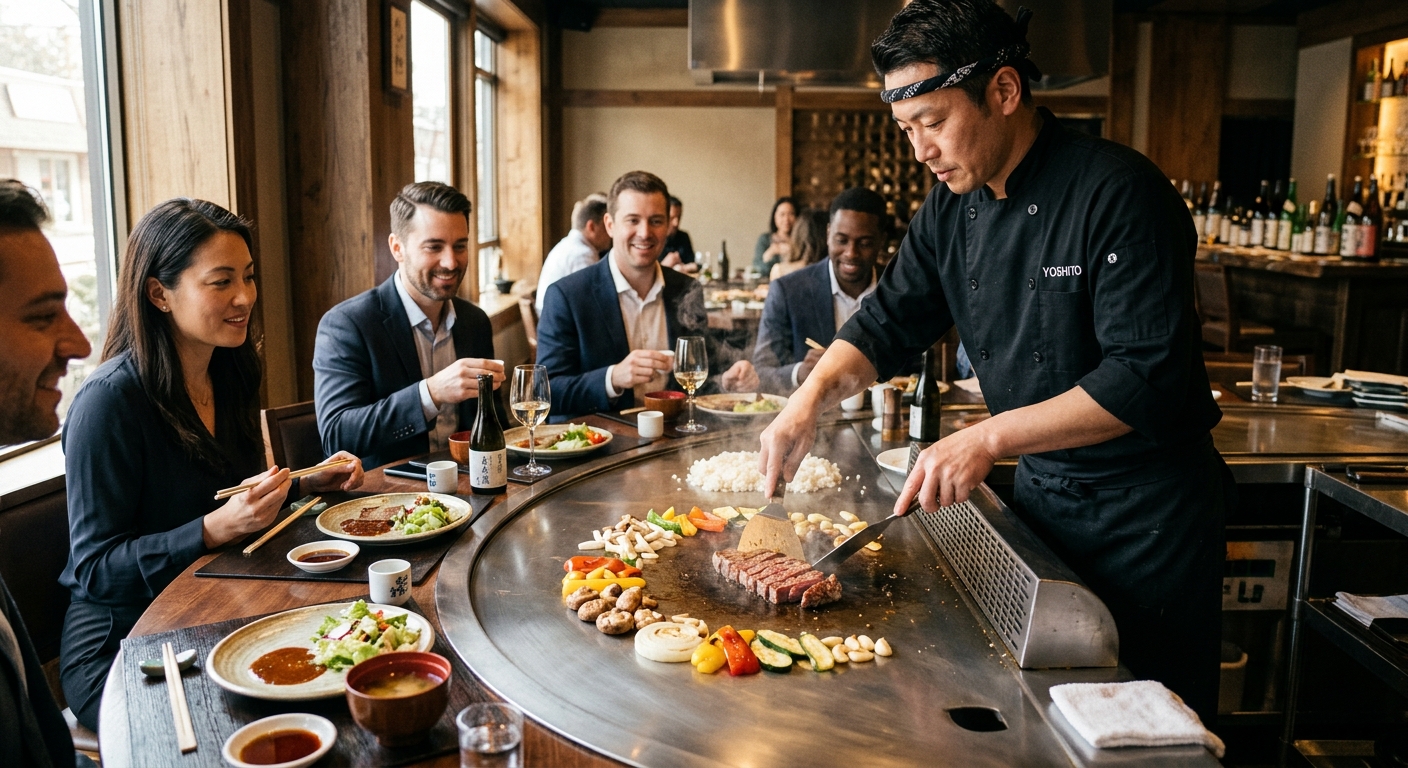
Introduction to Teppanyaki Dining at Home
Organizing a teppanyaki dinner is a brilliant way to bring the interactive, entertaining, and deeply flavorful experience of Japanese steakhouses right into your own home or private event space. Teppanyaki, derived from "teppan" (iron plate) and "yaki" (grilled or pan-fried), is not just about the food; it is an engaging culinary performance. Whether you are hosting an intimate gathering or a large celebration, carefully planning the equipment, ingredients, and atmosphere is essential for a memorable event.
Essential Equipment and Setup
The foundation of any successful teppanyaki dinner is the cooking surface. Ideally, a large, flat-top iron griddle is required. If you do not have a built-in teppanyaki grill, high-quality portable griddles or cast-iron planchas that fit over multiple stovetop burners can serve as excellent alternatives.
Beyond the grill, having the right tools is non-negotiable. Ensure you have long-handled spatulas, sharp chef's knives, a scraper for keeping the grill clean between courses, and squeeze bottles for oils, soy sauce, and sake. Safety is also paramount; ensure your dining area is well-ventilated to handle the smoke and steam generated during cooking.
For a detailed breakdown of preparation steps, you should consult A Simple Checklist for a Perfect Hibachi Dinner at Home, which offers invaluable insights into organizing your space and timeline.
Designing the Perfect Menu
A traditional teppanyaki menu is structured in courses, typically starting with a light soup or salad, moving into an appetizer like grilled shrimp or scallops, followed by the main protein, vegetables, and fried rice.
Selecting Proteins and Vegetables
Quality is everything. Opt for high-grade cuts of beef such as Wagyu or prime ribeye, fresh seafood like jumbo shrimp and diver scallops, and tender chicken breast. For vegetables, choose firm, flavorful options like zucchini, onions, mushrooms, and carrots. To ensure you do not miss any essential ingredients, refer to The Ultimate Hibachi Party Grocery List: Everything You Need for a Flawless Event.
Here is a quick comparison of popular teppanyaki proteins to help you plan your shopping list:
| Protein Type | Ideal Cut / Size | Recommended Marinade/Seasoning | Cooking Temperature |
|---|---|---|---|
| Beef | Prime Ribeye / Wagyu | Salt, Pepper, Garlic, Soy Sauce | High Heat |
| Seafood | Jumbo Shrimp / Scallops | Lemon, Butter, Sake | Medium-High Heat |
| Poultry | Chicken Breast / Thigh | Teriyaki Sauce, Sesame Oil | Medium Heat |
The Art of Entertaining
Teppanyaki is as much about the show as it is about the meal. If you are cooking yourself, practice a few simple tricks, such as the famous onion volcano or tossing shrimp tails into your hat. Keep the conversation flowing and engage your guests as you cook.
If you prefer to mingle with your guests rather than man the grill, hiring a professional chef is a highly recommended option. Professional catering can elevate your event from a simple dinner party to a luxurious experience. For those looking into premium catering options, check out Upscale Private Event Catering for LA Foodies: A Comprehensive Guide to explore how professional services can handle the logistics while you enjoy the evening.
Signature Sauces
No teppanyaki dinner is complete without the signature dipping sauces. The two most iconic sauces are the mustard sauce (often paired with chicken and steak) and the ginger sauce (perfect for seafood and vegetables). Preparing these sauces a day in advance allows the flavors to meld beautifully.
Conclusion
Organizing a teppanyaki dinner is a rewarding endeavor that combines culinary skill with theatrical entertainment. By investing in the right equipment, sourcing premium ingredients, and focusing on the interactive element of the meal, you can create a truly unforgettable dining experience for your guests. Whether you take on the role of the chef or hire a professional, the key to success lies in meticulous planning and a passion for great food.
Frequently Asked Questions
What is the difference between teppanyaki and hibachi?
While often used interchangeably in the West, teppanyaki uses a solid, flat iron griddle to cook food, whereas traditional hibachi uses an open-grate grill over charcoal.
Can I do a teppanyaki dinner indoors?
Yes, but excellent ventilation is crucial. The high-heat cooking process generates a significant amount of smoke and steam, so a powerful exhaust hood or cooking near open windows is recommended.
What oil is best for teppanyaki cooking?
Oils with a high smoke point are essential. Safflower, vegetable, canola, or soybean oil are commonly used. Sesame oil can be used sparingly at the end for flavor, but not as the primary cooking oil due to its lower smoke point.
How far in advance should I prep the ingredients?
All chopping, slicing, and sauce-making should be completed before your guests arrive. Teppanyaki cooking is fast-paced, so having all ingredients "mise en place" (measured and ready) is critical for a smooth performance.
Comments
Post a Comment