Introduction to the Ultimate Hibachi Experience
When it comes to entertaining guests, few dining experiences rival the excitement, flavor, and interactive nature of a hibachi dinner party. Originating from Japan, the term hibachi translates to fire bowl, though modern Western interpretations usually refer to teppanyaki-style cooking on a flat iron griddle. To host a hibachi dinner party is to invite your friends and family into a culinary performance where the preparation of the meal is just as spectacular as the food itself. Whether you are celebrating a milestone birthday, organizing a corporate team-building event, or simply gathering loved ones for a unique weekend dinner, a well-executed hibachi party will leave a lasting impression.
Hosting this type of event requires meticulous planning, a focus on high-quality ingredients, and an understanding of the theatrical elements that make hibachi cooking so special. In this comprehensive guide, we will explore everything you need to know to organize a flawless evening, from selecting the right equipment and crafting a mouth-watering menu to deciding whether to take on the role of the chef or hire professional caterers.
Understanding the Hibachi Dinner Party Concept
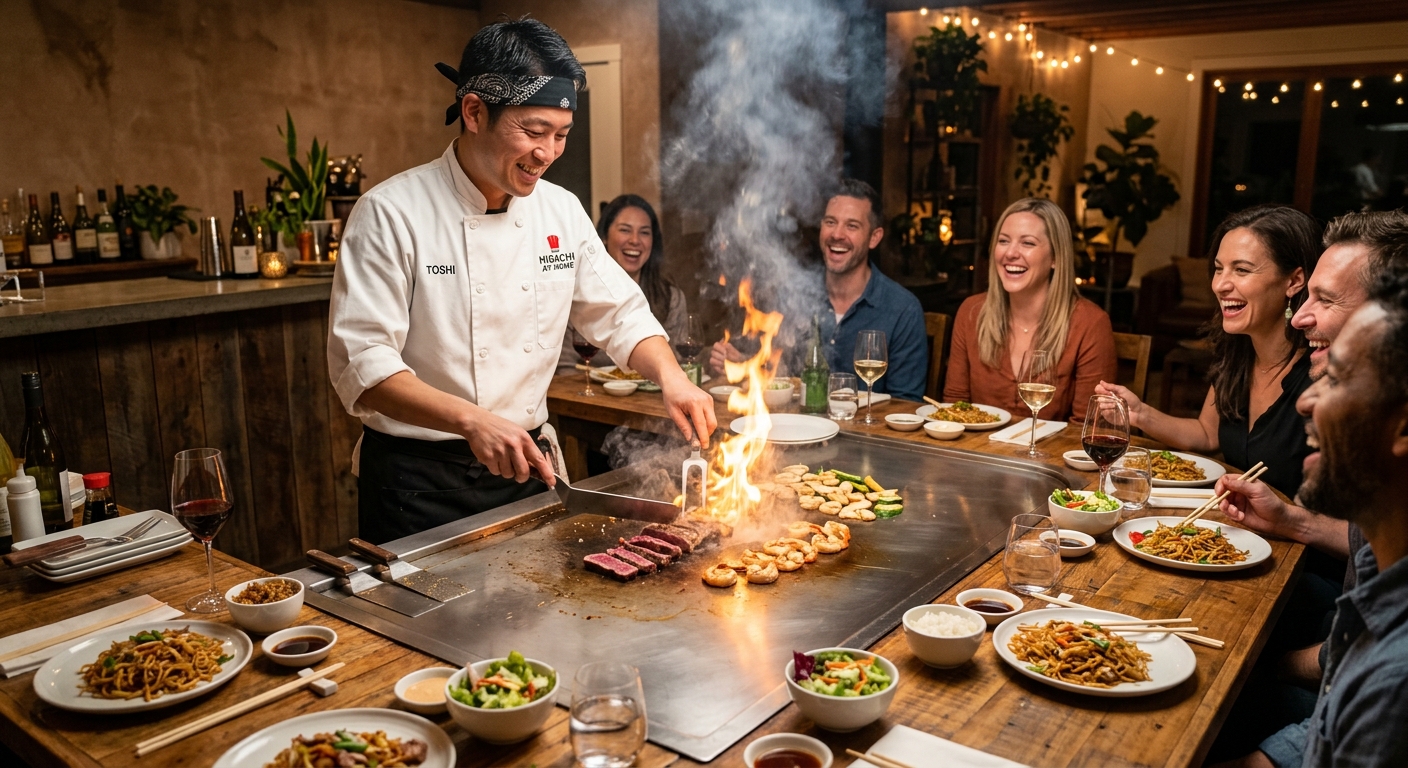
At its core, a hibachi dinner party revolves around a central cooking station where a chef grills meats, seafood, and vegetables right in front of the guests. This setup breaks down the traditional barrier between the kitchen and the dining room, fostering a lively and engaging atmosphere. The clank of spatulas, the flare of an onion volcano, and the sizzle of fresh steak hitting the hot grill are integral parts of the sensory experience.
For those looking to recreate this magic at home, the logistics can initially seem daunting. However, by breaking the process down into manageable steps, you can ensure a smooth and enjoyable event. If you are specifically looking to host your event outdoors, you may want to consult resources like the How to Plan a Backyard Hibachi Party: A Professional Guide to fully understand the spatial and safety requirements of an al fresco cooking setup.
Essential Equipment and Setup
To successfully host a hibachi dinner party, you need the right tools. If you are opting for the do-it-yourself route, investing in or renting proper equipment is non-negotiable.
- The Griddle: A large, flat-top grill (teppanyaki griddle) is essential. Portable gas griddles, such as a Blackstone, are incredibly popular for backyard setups. Ensure the surface is properly seasoned to prevent food from sticking.
- Cooking Tools: You will need at least two high-quality stainless steel spatulas, a sharp chef's knife, a scraper for cleaning the grill between courses, and squeeze bottles for oil, soy sauce, sake, and water.
- Guest Seating: Traditional hibachi restaurants seat guests in a U-shape around the grill. Recreate this by arranging folding tables and chairs around your cooking station, ensuring everyone has a clear view of the action.
- Safety Gear: Keep a fire extinguisher nearby, use heat-resistant gloves, and ensure your cooking area is well-ventilated and away from flammable structures.
Crafting the Perfect Hibachi Menu
The success of your dinner party heavily relies on the quality and variety of your ingredients. A traditional hibachi menu is served in courses, typically starting with a light soup or salad, followed by fried rice, vegetables, and the main proteins.
Appetizers and Starters
Begin the meal with a clear mushroom soup or a crisp salad dressed in a tangy ginger dressing. These light starters awaken the palate and give you time to heat the grill for the main event. If you want to elevate the dining experience and offer your guests an upscale variety of starters before the main hibachi show, consider integrating other Japanese delicacies. For instance, looking into Mobile Sushi Catering for Your Los Angeles Backyard Party can provide your guests with premium, expertly crafted sushi rolls as a sophisticated prelude to the grilled main courses.
The Main Courses
Hibachi is all about options. Providing a selection of proteins ensures all dietary preferences are met. Standard choices include:
- Steak: Choose tender cuts like New York strip, ribeye, or filet mignon, cut into bite-sized cubes.
- Chicken: Boneless, skinless chicken thighs or breasts, glazed in teriyaki sauce.
- Seafood: Jumbo shrimp, scallops, or even lobster tails are hibachi classics.
- Vegetables: Zucchini, onions, mushrooms, and broccoli are staples. Cook them with a touch of butter and soy sauce.
- Fried Rice: The star of the show for many. Prepare this on the grill using day-old rice, eggs, garlic butter, and soy sauce.
Signature Sauces
No hibachi meal is complete without dipping sauces. The two most iconic are the mustard sauce (perfect for meats) and the ginger sauce (ideal for seafood and vegetables). Preparing these from scratch will significantly enhance the authentic feel of your meal.
The Professional Route: Hiring a Hibachi Caterer
While cooking the meal yourself can be a fun challenge, it also means you will be working for most of the party. To truly relax and enjoy the company of your guests, hiring a professional mobile hibachi chef is a highly recommended alternative. Professional caterers bring their own grills, ingredients, and, most importantly, their entertainment skills. They know how to perform the signature tricks—like tossing shrimp into guests' mouths, creating the beating heart out of fried rice, and executing the famous onion volcano.
When hiring a professional, event coordination is key. You will need to manage guest counts, dietary restrictions, and timing. For a comprehensive look at how to manage a catered event seamlessly, read the Hibachi Catering Event Planning Guide: Host a Memorable Experience, which outlines the best practices for collaborating with private chefs.
Planning Timeline
To keep your stress levels low, follow a structured planning timeline. The table below outlines a standard schedule for organizing your event.
| Timeframe | Action Items |
|---|---|
| 3-4 Weeks Prior | Determine guest list, set date, decide between DIY or hiring a professional caterer. |
| 2 Weeks Prior | Send out invitations, finalize menu, confirm dietary restrictions with guests. |
| 1 Week Prior | Purchase non-perishable items, order rental equipment (tables, chairs, griddle). |
| 2 Days Prior | Buy fresh ingredients (meats, vegetables), prepare dipping sauces, make rice (for frying). |
| Day of Event | Set up cooking station and guest seating, prep and chop all ingredients, enjoy the party! |
Setting the Ambiance
The atmosphere of your party is just as important as the food. Decorate your backyard or dining space to reflect a modern, elegant Japanese steakhouse. String lights or paper lanterns can cast a warm, inviting glow over the tables. Use minimalist table settings with bamboo placemats, chopstick rests, and simple ceramic plates. Curate a background playlist that mixes upbeat, contemporary music with subtle instrumental tracks to keep the energy high but allow for easy conversation.
Furthermore, consider setting up a themed beverage station. Offer your guests a selection of Japanese beers (like Sapporo or Asahi), warm or chilled sake, and specialty cocktails such as a lychee martini or a matcha-infused highball. Providing a signature drink gives guests something to enjoy while they wait for the culinary show to begin.
Conclusion
To host a hibachi dinner party is to provide an unforgettable blend of culinary excellence and interactive entertainment. Whether you step up to the griddle to showcase your own spatula skills or you hire a professional chef to dazzle your guests, the key to success lies in meticulous planning, high-quality ingredients, and a vibrant atmosphere. By following the steps outlined in this guide, from setting up the perfect outdoor cooking station to curating a mouth-watering menu, you will ensure that your event is a resounding success that your friends and family will talk about for years to come.
Frequently Asked Questions
Do I need a special grill to host a hibachi party at home?
While you do not need a traditional commercial teppanyaki grill, you do need a large, flat-top griddle to properly cook hibachi-style food. Portable gas griddles are highly recommended for home use, or you can use large cast-iron griddles that fit over multiple burners on a standard stovetop or outdoor barbecue.
How do I make the best hibachi fried rice?
The secret to great hibachi fried rice is using day-old, cold rice, which prevents the dish from becoming mushy. Cook it on a very hot griddle using a generous amount of garlic butter, soy sauce, and a dash of sesame oil. Don't forget to scramble an egg directly into the rice on the grill.
Is it expensive to hire a private mobile hibachi chef?
The cost of hiring a private hibachi chef varies depending on your location, the menu selected, and the number of guests. Generally, prices range from $50 to $100 per person. While it represents an investment, many hosts find it worthwhile as it includes the food, the cooking equipment, and a highly entertaining culinary performance, allowing the host to fully relax and enjoy the party.
Comments
Post a Comment